








By Dr Natalie Summerhill, MBBS RCGP (2015) DRCOG DFSRH
For decades, you’ve learned to manage the monthly rhythm of your moods. But what happens when that rhythm breaks, and your mood swings become less predictable, more intense?
For many women with a history of PMS, the journey into their 40s brings a challenging new chapter for their mental health. They often feel overwhelmed and unlike themselves. If this sounds familiar, please know this: Your feelings are valid, you are not imagining things, and you are certainly not alone.
There is a powerful, yet often overlooked, connection between a history of severe PMS or PMDD (Premenstrual Dysphoric Disorder) and the mental health challenges many women face during the menopausal transition. Your lifelong sensitivity to hormonal shifts is real, and perimenopause can feel like the ultimate test.
What’s Happening to Your Hormones?
Many think of perimenopause as a simple, steady decline in hormones. The reality is far more chaotic. For years, your hormone levels can fluctuate, and if you’ve always been sensitive to these shifts, this period can feel particularly challenging.
Research highlights a few key players in this story:
1. Oestradiol variability is key
The main culprit behind perimenopausal mood changes isn’t necessarily low oestrogen, but wildly swinging oestrogen (oestradiol). Think of it less like a gentle tide going out and more like a stormy, unpredictable sea. Studies have shown that this variability is directly linked to depressive symptoms, poor sleep, and hot flushes.
2. Heightened stress sensitivity
Do you feel more emotional, irritable or reactive to stress than you used to? There’s a reason for that. Research suggests that oestradiol variability can amplify our emotional response to psychosocial stress. A minor work issue or a family squabble can suddenly feel completely overwhelming.
3. The domino effect
Hormonal chaos doesn’t happen in a vacuum. It triggers other physical symptoms that directly impact your mental health. Evidence-based research shows that vasomotor symptoms (hot flushes and night sweats) and the resulting poor sleep are major mediators in the link between hormones and depression. It’s a vicious cycle. Hormones disrupt sleep, and lack of sleep tanks your mood.
While the exact mechanisms are still being explored, many medical experts believe these hormonal fluctuations disrupt important neurotransmitter systems in the brain, like serotonin and dopamine, that regulate our mood.
Your Path to Feeling Better (And Taking Back Control)
Knowing the “why” is validating, but the most important thing is knowing that you don’t have to suffer through this. There are proactive steps you can take to manage your symptoms and reclaim your sense of self.
1. Become a symptom detective.
When everything feels chaotic, gathering data is the first step to regaining control. Just as we recommend for period pain, start a simple diary to track your symptoms. Your goal is to uncover patterns. For a month or two, make a brief daily note of your:
- Mood & emotions: (Anxiety, irritability, sadness, calm)
- Sleep quality: (Hours slept, night sweats, feeling rested)
- Physical symptoms: (Hot flushes, headaches, brain fog, energy levels)
This simple record turns a vague feeling of being unwell into concrete information. Include your menstrual cycle. Bringing this diary to your GP helps them see these patterns. This leads to a much more targeted and effective conversation about the support you need.
2. Build your lifestyle toolkit.
The goal is to create a foundation of stability to help your body and brain better make sense of the change in hormones. This means focusing on the areas that research shows are most impactful on your mood during this transition.
- Cool the flames and manage triggers.
Since the research clearly links hot flushes (vasomotor symptoms) to lower mood, actively managing them is key.
- Identify your triggers.
Many women find that caffeine, alcohol, and sugary foods can trigger or worsen hot flushes. Pay close attention to how you feel after consuming them.
- Focus on anti-inflammatory eating.
Build your meals around foods that fight inflammation. Think colourful vegetables, oily fish rich in omega-3s (like salmon and mackerel), nuts, and seeds.
3. Fiercely protect your sleep.
Poor sleep is a primary bridge between hormonal changes and depression. You must treat sleep as a non-negotiable part of your mental health care.
- Create a cool, dark bedroom.
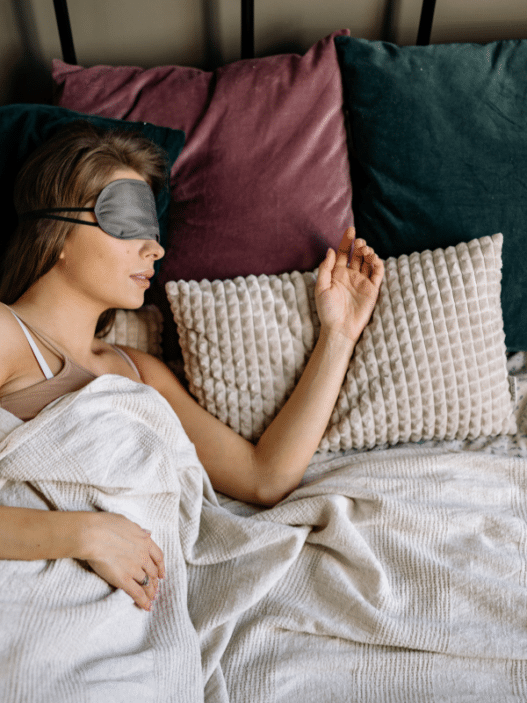
Menopausal sleep disruption is often driven by night sweats. Keep your bedroom cool, use breathable bedding, and consider a cooling mattress topper. Blackout blinds can also help.
- Mind your cortisol.
High stress (cortisol) at night disrupts sleep. Avoid intense exercise and stressful conversations in the evening. Instead, try gentle stretching, a warm bath, or reading a book to signal to your body that it’s time to wind down.
4. Move to soothe your nervous system.
The research shows that hormonal shifts can make you more emotionally reactive to life’s stressors. The right kind of movement can help process stress hormones.
- Prioritise consistency over intensity.
When your system is already stressed, gruelling workouts can sometimes make things worse. Focus on regular, calming movement like brisk walking, swimming, or yoga, which are proven to help regulate the nervous system.
- Incorporate strength training
Building and maintaining muscle mass is crucial during this period and has been shown to have a positive impact on mood and overall metabolic health.
5. Seek expert, compassionate healthcare.
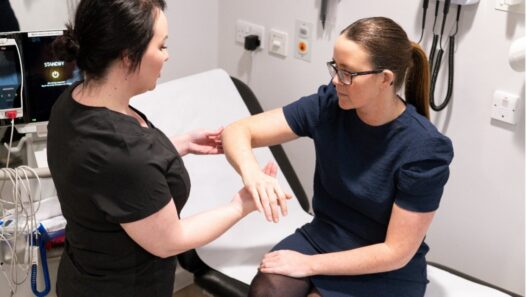
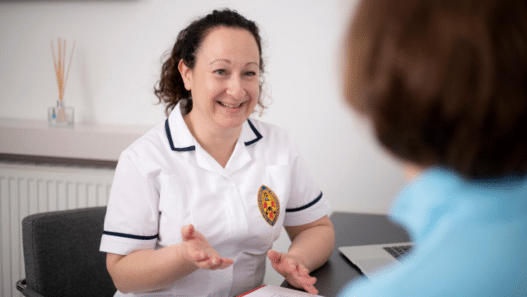
You deserve a healthcare provider who listens and takes your experience seriously. An appointment focused on your perimenopausal health isn’t a luxury; it’s a necessity. Prepare for your appointment by bringing your symptom diary and a list of questions.
6. Explore your treatment options.
There is a range of medical support available that can be life-changing:
- Modern HRT (Hormone Replacement Therapy)
Modern, body-identical HRT works by stabilising your fluctuating hormone levels using hormones that are structurally identical to those produced naturally in your body. The primary hormone replaced is oestrogen (specifically oestradiol), directly addressing symptoms like hot flushes, mood swings, and poor sleep. For women who still have a uterus, progesterone is also prescribed to protect the womb lining. Body-identical HRT is supported as first-line treatment for most women by the British Menopause Society (BMS) and NICE guidelines.
- Antidepressants (SSRIs)
Because hormonal fluctuations directly impact brain chemistry, speak to your GP or health care provider to discuss whether antidepressants can effectively work for you. They work by supporting neurotransmitter systems, like serotonin, helping to lift mood and reduce anxiety, especially for those with a history of severe PMS or PMDD.
- Talking therapies
The emotional impact of perimenopause is significant. Talking therapies, especially Cognitive Behavioural Therapy (CBT) and mindfulness-based therapies, have the strongest evidence for helping manage mood changes during perimenopause and menopause. CBT offers practical, proven strategies to reframe negative thought patterns and improve coping with anxiety, depression, and overwhelm triggered by hormonal changes.
Your Wellbeing Matters
For too long, women have been told that struggling with their hormones is just a part of life. It’s not.Feeling emotionally dysregulated, anxious, and unlike yourself is not a state you have to accept.
Your history of PMS was not “just in your head”, and the mood symptoms you’re experiencing now in perimenopause are not a personal failing. They are the result of specific biochemical changes in your body, and they deserve to be treated with compassion and expertise.
At Summerhill Health, we’re here to listen and to help you connect the dots. There are answers and treatments that can help you feel like yourself again.
If you’re ready to take the next step in understanding your symptoms, we’re here to help you and find a path forward.

Dr Natalie Summerhill
Summerhill Health – Private GP and Clinic