









Dr Aneesha Ahmad from the SkynDoctor gives her top tips about why collagen matters.
October marks Menopause Awareness Month, which is a timely opportunity to reflect on the many changes women experience during this transition. While symptoms like hot flushes, sleep disturbances, and mood shifts are often discussed, I find that the impact of menopause on skin health is sometimes overlooked.
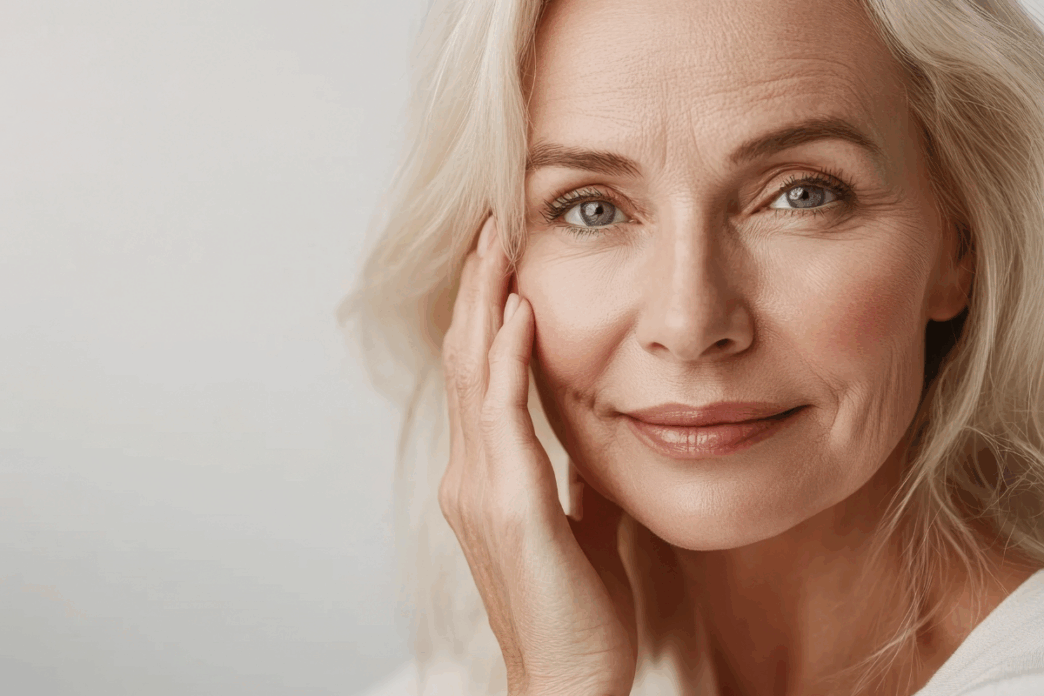
As a doctor, I see first-hand how the hormonal changes of menopause – particularly the decline in oestrogen – can affect the skin’s structure, hydration, and elasticity. One of the most important players in maintaining youthful, resilient skin is collagen, a protein that gives our skin its strength and support.
How Menopause Affects Collagen
During menopause, collagen production can decline rapidly. Research shows that women may lose up to 30% of their skin’s collagen within the first five years, which can lead to:
- Reduced elasticity and firmness
- Increased dryness and sensitivity
- Thinning of the dermis, making fine lines and wrinkles more visible
- Slower wound healing and reduced resilience
These natural changes are often compounded by other factors such as ageing, sun exposure, smoking, and poor nutrition, making it even more important to focus on supporting collagen during midlife.
Supporting Skin Health During Menopause
For me, maintaining skin health at this stage of life isn’t about vanity – it’s a marker of overall wellbeing. There are several approaches women can take to help support collagen:
- Nutrition: Eating a balanced diet rich in protein, vitamin C, zinc, and antioxidants to aid natural collagen synthesis.
- Lifestyle: Staying active, hydrated, and protecting the skin from UV exposure.
- Topical care: Incorporating ingredients such as retinoids, peptides, and hyaluronic acid into skincare routines.
- Professional treatments: Non-invasive collagen-boosting therapies can help restore structure, improve elasticity, and enhance overall texture.
The Importance of Education
I believe education is vital. Understanding the science behind skin ageing and the role of collagen empowers women to make informed decisions about how they care for their skin during menopause. This isn’t just about appearance – it’s about maintaining skin function, comfort, and confidence.
Looking Beyond the Surface
Menopause is a natural biological milestone, but its effects on the skin can influence how women feel about themselves. By taking a proactive approach – through lifestyle choices, good skincare, and targeted support for collagen – women can navigate this stage with greater confidence.
Menopause Awareness Month is an important reminder that our conversations around women’s health must extend beyond symptoms to include skin health and wellbeing. By doing so, we can help women feel supported, educated, and empowered during this life stage.
Find out more or book an appointment with Dr Aneesha Ahmad, the SkynDoctore here.