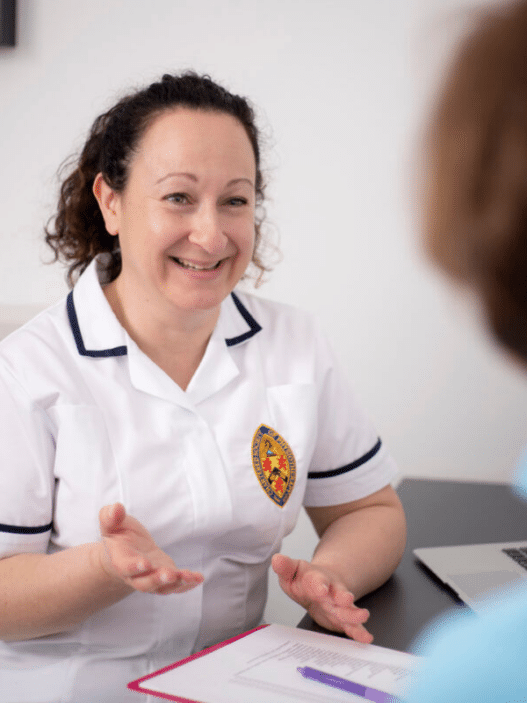



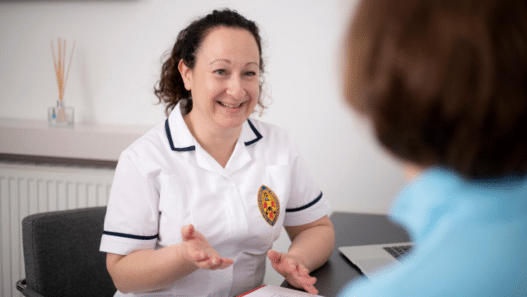







This expert article is brought to you by Dr Laura Clark from SHE Health in Hale and Bramhall, Cheshire.
PMDD is often misunderstood because it doesn’t behave the way we expect either hormone problems or mental health issues to behave.
For many women, symptoms appear after ovulation and lift quickly once bleeding begins. In between, life can feel significantly harder, emotionally and physically, even when nothing else has changed.
What exactly is PMDD?
PMDD stands for Premenstrual Dysphoric Disorder. It’s a severe form of premenstrual syndrome (PMS) that affects mood, emotions and overall wellbeing in the days or weeks before a period.
What causes it?
PMDD isn’t caused by having “too much” or “too little” hormone. Most women with PMDD have hormone tests that are labelled as “normal”. What seems to differ is how the body and brain react to normal monthly hormone shifts, particularly in the second half of the cycle.
The mental health symptoms can be severe
PMDD is often described as “bad PMS”, but that doesn’t reflect the reality many women experience.
- Symptoms can include:
- sudden drops in mood, feeling of despair or feeling unable to cope
- intense irritability or rage that feels very out of character
- anxiety or panic that appears quickly
- intrusive or distressing thoughts, and in some women, thoughts of self-harm
These symptoms can be frightening and isolating, particularly because they don’t feel constant. When they disappear each month, many women are left questioning their own experiences, while trying to hold things together at work and in relationships.
Physical symptoms are part of PMDD too
Alongside mood changes, many women also experience physical symptoms that are rarely linked back to PMDD and are often overlooked.
These can include extreme fatigue, headaches or migraines, bloating or digestive changes, muscle or joint pain and poor sleep or vivid dreams
What can make a difference?
There are things that can help. It isn’t something you can fix with lifestyle changes alone. But when it’s recognised properly, there are ways to reduce how intense and disruptive it feels. Often, it’s about small adjustments layered together rather than one perfect solution.
Top tips
Notice patterns
Tracking mood, energy, sleep, and physical symptoms across the cycle can be surprisingly powerful.
Many women with PMDD notice feeling more emotionally steady in the first half of the cycle, from period to ovulation, followed by a clear shift after ovulation. Symptoms often build over the next 7 to 10 days and lift once bleeding begins.
Reduce load during the harder weeks
Planning more demanding work, social commitments, or important decisions earlier in the cycle can make the rest of the month feel more manageable. Allowing more space, rest, or support during the PMDD window often reduces pressure and self-blame when symptoms peak.
Think about nervous system regulation too
PMDD places a real load on the nervous system, particularly in the second half of the cycle. Gentle nervous system support can help soften symptoms.
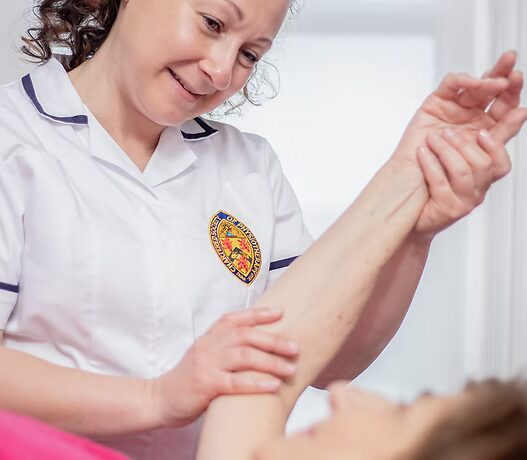
This might include things like reflexology, massage, acupuncture, breathwork, or other calming body-based therapies. These aren’t cures, but they can help reduce baseline tension, improve sleep, and make emotional responses feel less overwhelming during the PMDD window. The key is choosing approaches that feel supportive rather than demanding, especially after ovulation.
Eating habits
Limit caffeine to earlier in the day, and consider reducing it after ovulation, as too much can heighten anxiety and irritability.
Aim for protein with each meal or snack, and pair carbohydrates with protein or healthy fats to keep energy and mood steadier in the second half of the cycle.
Protect sleep where you can
Sleep often becomes lighter or more disrupted before symptoms peak. Scheduling down time before you sleep can help.
Medical management choices
PMDD is a medical condition, and for many women, medical treatment is an important part of management.
Vitamins and supplements can play a supporting role
Supplements are not a cure for PMDD, but women report they can help reduce intensity of symptoms, particularly when deficiencies are present or demand on the nervous system is high.
The ones most commonly explored include:
- Magnesium, which can support sleep, muscle tension, headaches, and nervous system regulation
- Vitamin B6, which may help with mood symptoms for some women
- Omega-3 fatty acids, which have evidence for supporting mood and inflammation
- Iron, particularly where periods are heavy, as low ferritin can worsen fatigue, brain fog, and headaches
What matters is using supplements purposefully, rather than adding lots of different products without a clear reason.
Hormone treatments
Hormone therapy is often overlooked but it can be very helpful for PMDD even outside of perimenopause or menopause. For some women, suppressing ovulation significantly reduces symptoms. For others, carefully prescribed HRT can stabilise hormonal fluctuations and improve both mood and physical symptoms.
What matters most is the type and balance of hormones used. Progesterone tolerance varies widely. Some women feel calmer on it while others experience worsening mood, anxiety, or PMDD symptoms. Recognising progesterone sensitivity and adjusting treatment accordingly is a crucial part of PMDD care. When this isn’t acknowledged, women are often told treatment “isn’t working”, when in fact the type simply isn’t right.
PMDD is a biological, cyclical condition. Support is most effective when it’s shaped around the individual woman rather than treated the same way for everyone. For most women, improvement comes from trying different approaches over time and building a toolkit that fits your body, brain, and life.

SHE Health
Dr Laura Clark and Dr Katie Hilton
Specialising in hormone-related health including perimenopause, menopause, PMS, PCOS and mental wellbeing, their approach combines evidence-based medicine with whole-person care. Every patient is given the time, depth and attention needed to understand root causes, not just symptoms.
Care is tailored, thoughtful and designed to fit around real life, with both in-person and remote appointments available.
A clinic where women are truly listened to, supported and treated as individuals.
Discover more and explore SHE Health’s full profile in The Women’s Health Club directory.